Ref CH 03 · Characters Custom caricature commission pricing
Brief Edition of 20/08/2026 also filed under: quotations, revisions, licences
Quotation: a figure attached to a described job, which means that a quotation without a description is not a price, it is a guess.
In short
- Six variables explain most of the spread between two quotations.
- What the picture is used for changes the figure more than how long it takes.
- A quotation you can read line by line is a quotation you can compare.
1. Why two quotes differ
Two artists asked for the same caricature routinely return very different figures, and the difference is rarely about greed or inexperience. It is that they have read the request differently: one assumed a head and shoulders on a plain ground for private use, the other assumed two full figures in a scene, printed large, for a company to put on its packaging. Both quoted honestly for the job they imagined.
The fix is on the buyer's side as much as the artist's. Describe the job in the terms below and the quotations become comparable.
2. The six variables
| Variable | What it changes | Ask for it in writing as |
|---|---|---|
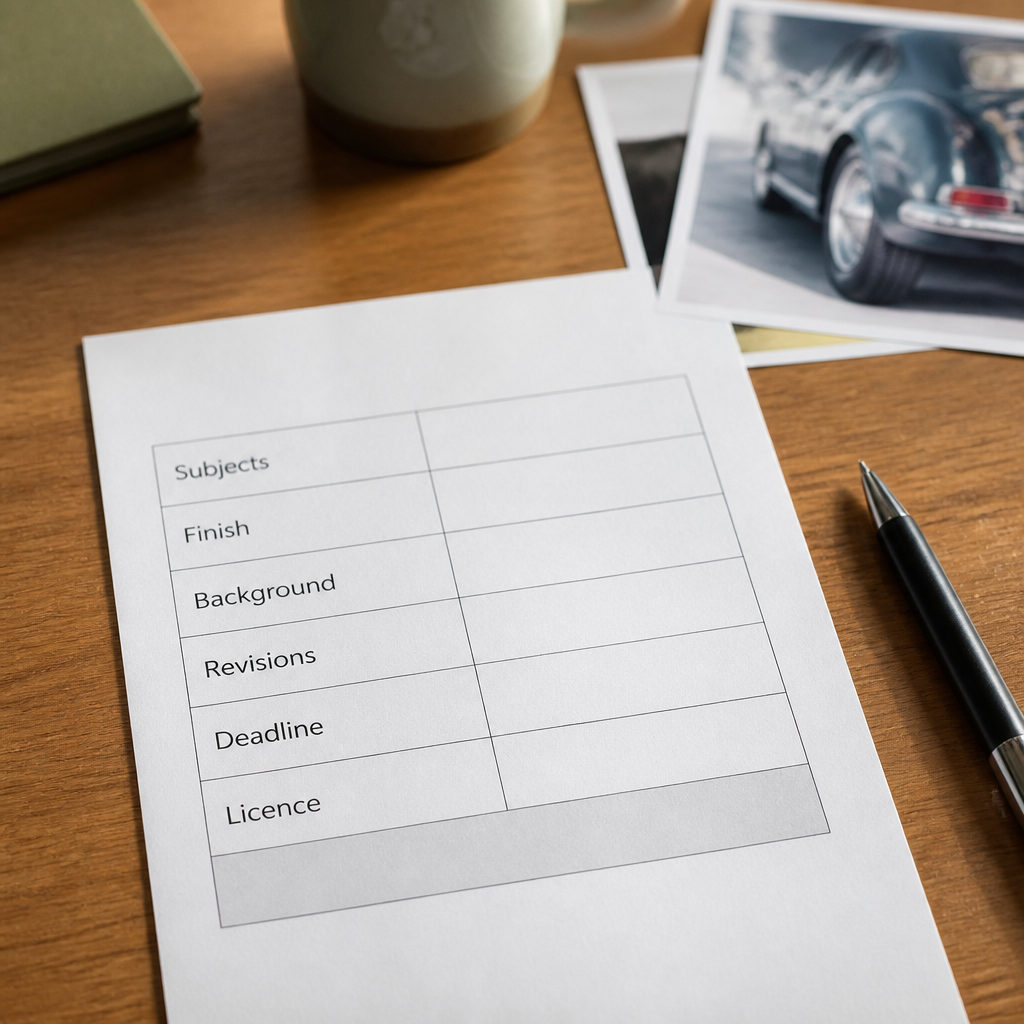
| Number of subjects | Drawing time, and the difficulty of composing them together | The exact count of people and pets |
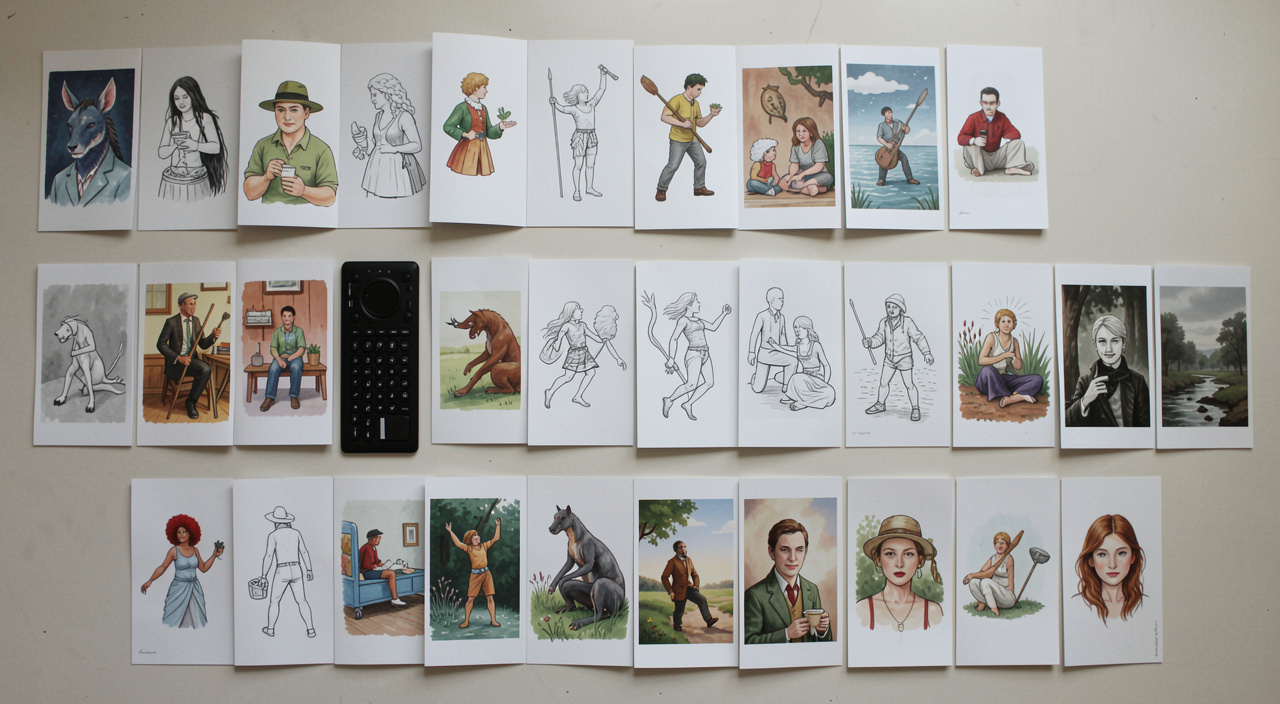
| Level of finish | Line, flat colour or full rendering: hours multiply along that scale | A named finish, with an example from the folio |
| Background | Plain, a colour, or a scene with meaningful objects | A description of the scene, or the word plain |
| Revision rounds | How much of the risk sits with the artist | A number, plus what counts as one round |
| Deadline | Whether other work has to be moved | The date needed, and whether a rush applies |
| Use | Private gift, internal, published, commercial, mascot | The licence: where, how long, and exclusive or not |
Wide table: scroll it sideways.
3. How a quotation is built
Most caricature quotations, written properly, have the same shape. A base figure for the first subject at a stated level of finish, an addition per extra subject, an addition for a background beyond plain, an addition for a short deadline, and a separate line for the licence if the use is commercial. Underneath, the terms: what is included, how many revision rounds, when payment falls due.
- Deposit: commonly a share of the total before work starts. It books the time as much as it secures the fee.
- Revision rounds: named, with a definition. A revision changes something inside the agreed brief; a new idea is new work.
- Sketch approval: the stage where changes are cheap. Approving a sketch quickly is the buyer's main lever on the schedule.
- Working file: stays with the artist unless bought separately.
- Delivery: named formats and pixel dimensions, and a date.
4. Live event quotations
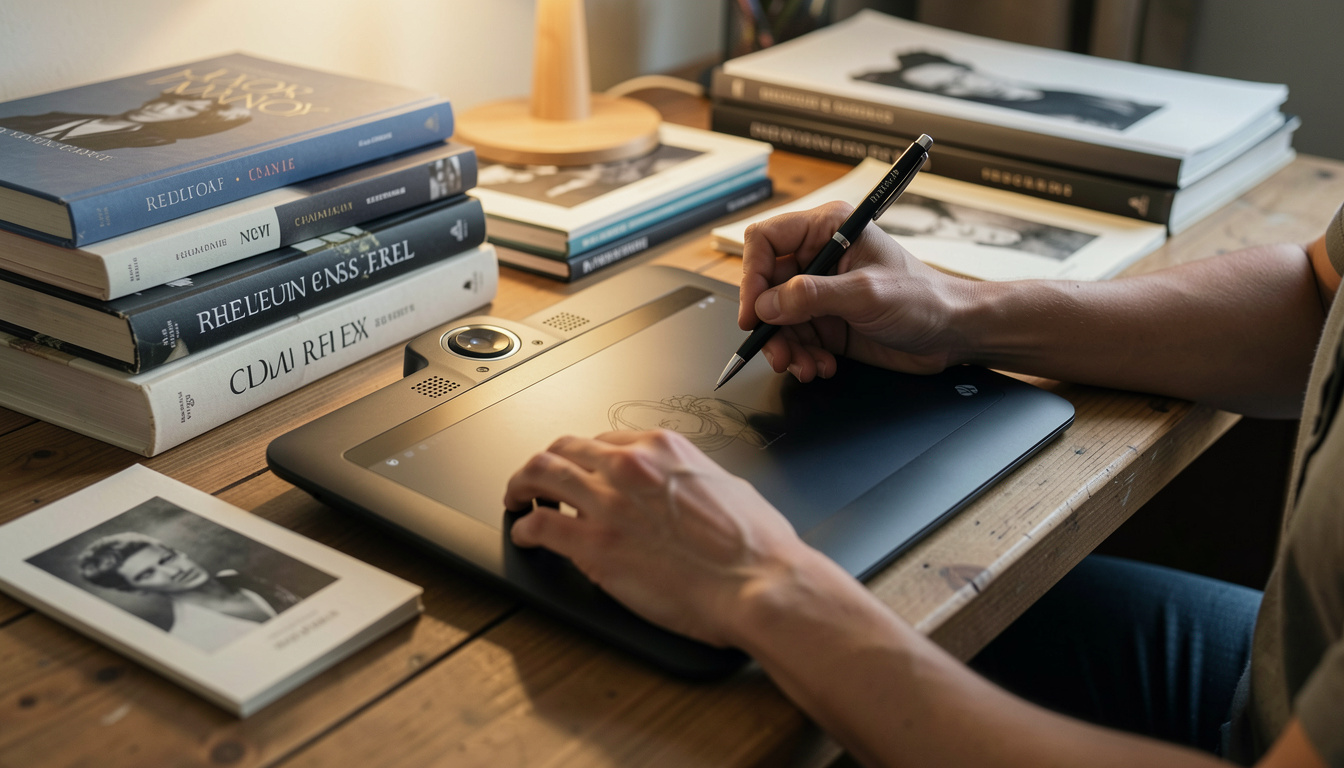
Live work is quoted on time, not per drawing, because the queue sets the pace and the artist cannot control it. A live quotation should name the hours booked, the expected number of guests drawn per hour at the agreed level of finish, travel, and whether prints or digital copies are included. Colour takes longer than line, so the throughput and the finish are one decision, not two.
Practical things worth agreeing in advance: a lit spot to work in, a table, power if the work is digital, somewhere for a queue to stand, and what happens if the event overruns.
5. Questions to ask before booking
- What exactly is included at this figure, and what is extra?
- How many revision rounds, and at which stages?
- What happens if the likeness is not accepted at sketch stage?
- Which files do I receive, at what pixel size, and in which colour space?
- What use is licensed, and what would a wider use cost?
- What is the deposit, and is it refundable before work starts?
- What is the deadline, and what is the cut off for supplying reference?
6. What a fair process looks like
Brief agreed in writing, deposit paid, reference supplied, rough sketch sent for approval, one round of notes, colour or finish applied, a final round of small notes, delivery of the agreed files, balance paid. Each step has a date. Nothing in it depends on goodwill, which is precisely what makes goodwill easy on both sides.
If a quotation cannot be read line by line, ask for it to be rewritten so that it can. An artist who works this way already has the document ready.